
Mar 10th, 2009
Idle Bites: 10 March 2009
In case you’ve not had time to follow the backchannel chatter, we’ve gathered some of the mobile user experience articles from the last few days that caught our eye. Here’s some quick recommending reading that describes our changing digital lifestyles, mobile trends, future tech considerations, and there’s even a good robot story thrown in for good measure.
If you’ve come across a great mobile user experience story in the last few days, let us know! Post it in comments or find me on Twitter: http://www.twitter.com/benson/
Trends
MWC’09 Trends by John Strand
http://www.mocom2020.com/2009/03/key-trends-mobile-word-congress/
Vision Mobile’s Mobile Megatrends 2009
http://www.visionmobile.com/blog/2009/02/mobile-megatrends-2009/
Design Exploration
New Tab Page: Proposed design principles and prototype (Mozilla Labs)
http://labs.mozilla.com/2009/03/new-tab-page-proposed-design-principles-and-prototype/
iPhone prototype caught on video
http://www.engadget.com/2009/03/10/iphone-prototype-caught-on-video
IPTV
The future of TV lies on the net
http://news.bbc.co.uk/2/hi/technology/7932278.stm
Digital Media newsletter (PDF)
http://www.digital-media.net.au/Common/ContentManagement/digital-media/newsletter/20090309.pdf
Internet Protocol TV (IPTV) is coming, cable companies better adopt to changing times
http://controlaltdelete.tv/2009/03/08/internet-protocol-tv-iptv-is-coming-cable-companies-better-adopt-to-changing-times/
ZillionTV
http://www.zilliontv.tv/
Mobile TV Popular In Korea, Not Making Any Money
http://www.youth-marketing-statistics.com/2008/12/mobile-tv-popular-in-korea-not-making.html
Emerging Technology
Charging mobile devices wirelessly: eZone by Qualcomm
http://www.mocom2020.com/2009/03/the-ease-of-charging-your-mobile-devices/
Wintek to supply touch panels for Apple netbook, says paper
http://www.digitimes.com/news/a20090309PB204.html
Philips: OLED windows in a few years
http://www.techradar.com/news/world-of-tech/philips-oled-windows-in-a-few-years-570698
Japanese gadget controls iPod in blink of an eye
http://www.physorg.com/news155728914.html
Robot Programmed to Love Goes too Far
http://www.muckflash.com/?p=200
Experimental Multitouch UI for Nokia S60
http://www.symbian-freak.com/news/009/03/experimental_multitouc_interface_for_5800.htm
Social Networking
Social Networking More Popular Than Email, More Profitable Than…Er…Um
http://digitaldaily.allthingsd.com/20090309/social-networking-more-popular-than-e-mail-more-profitable-than-er-um/?mod=ATD_rss
When Everyone’s a Friend, Is Anything Private?
http://voices.allthingsd.com/20090309/when-everyone%E2%80%99s-a-friend-is-anything-private/
General News
Internet, Mobile Phones Named Most Important Inventions
http://www.nytimes.com/2009/03/08/business/08count.html?_r=1
Chinese political advisor urges innovation to tackle downturn, emphasis on creative
http://english.people.com.cn/90001/90776/90785/6608793.html
Charlie Rose: A conversation with Marissa Mayer, V.P. of Search Product and User Experience, Google
http://www.charlierose.com/view/interview/10129
Recession Forcing Automakers To Think About Mobile
http://www.mobilemarketingwatch.com/recession-forcing-automakers-to-think-about-mobile/
Why we’ve reached the end of the camera megapixel race
http://arstechnica.com/gadgets/news/2009/03/why-weve-reached-the-end-of-the-camera-megapixel-race.ars
Web favorites
- Casino Europei On Line
- Casino Sites Not On Gamstop
- Gambling Sites Not On Gamstop
- Betting Sites UK
- Casino Not On Gamstop
- Casinos Not On Gamstop
- Best Online Casino Canada
- Non Gamstop Casino Sites UK
- Sites Not On Gamstop
- Non Gamstop Casinos UK
- Non Gamstop Casinos
- Slots Not On Gamstop
- Best Non Gamstop Casinos
- UK Casino Not On Gamstop
- Gambling Sites Not On Gamstop
- Slots Not On Gamstop
- Non Gamstop Casinos UK
- Meilleur Casino En Ligne France
- Beste Online Casino Nederland
- Best Non Gamstop Casinos
- Non Gamstop Casino
- Betting Sites UK
- Casino Non Aams Italia
- Casino Online Non Aams
- UK Casino Not On Gamstop
- Casino Online
- Casino En Ligne Belgique
- Meilleur Site De Casino En Ligne Belgique
- Siti Scommesse Non Aams
- 파워볼사이트
- オンラインカジノ ライブ
- плинко
- Cresus Casino Interdit En France
- Casino En Ligne Fiable
- Siti Di Scommesse Non Aams
- Siti Scommesse Non Aams
- 仮想通貨カジノ おすすめ
- Casino En Ligne France
- Casino En Ligne Français
- Casino Non Aams
- Bonus Casino En Ligne
- Bonus Casino En Ligne
- Casino En Ligne
- Mejores Casinos Online


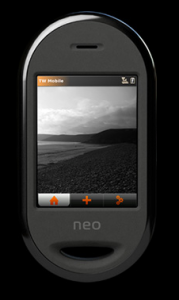 Well if you can wait until July 4th you can order yourself a neo Freerunner. This phone is Linux based, so all you developers start drooling now. The shipped version of the phone will come in both 850Mhz and 900Mhz Tri-band GSM flavors with a 2.8-inch VGA touchscreen, WiFi, AGPS, GPRS 2.6G, Bluetooth 2.0, 128MB WSDRAM, and 256MB NAND flash. I won’t speculate what this will mean to Android and Symbian, last time I did that we all thought Android would take over the world… That has yet to be seen.
 The
The